Can a Marriage Survive an Affair? What the Research Actually Shows
You found out, and now you can’t unknow it.
The floor dropped out from under you. You’re reading this because part of you needs to know whether a marriage can actually come back from infidelity, or whether you’re only delaying the inevitable.
Here is what the research actually shows. Yes, most marriages can survive infidelity, and the odds are better than the fear in your chest is telling you. Infidelity is a betrayal of the trust and exclusivity a marriage was built on, whether through a physical affair, an emotional one, or both. According to a 2012 survey by the American Association for Marriage and Family Therapy, 74% of couples who pursued help after an affair were able to recover and rebuild.
That number surprises people. It surprised me the first time I saw it, but I have watched it prove true in real relationships more times than I can count.
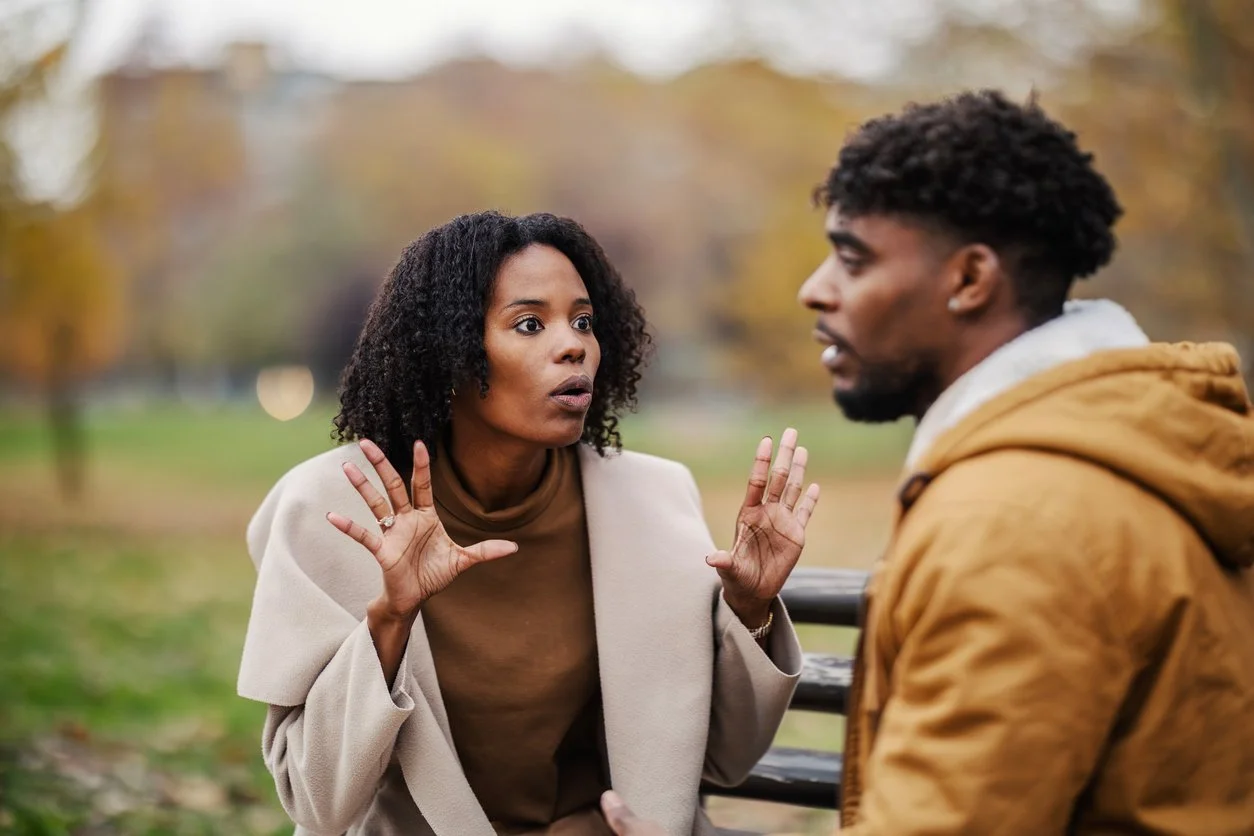
What percentage of marriages survive infidelity?
Most research puts the share of couples who stay together after infidelity somewhere between 60 and 75%.
Here’s the honest catch, and it matters. Staying married and genuinely healing are not the same thing. When researchers use a stricter definition of survival, restored trust and real satisfaction rather than an intact marriage alone, the numbers get more sobering, and fewer couples reach full reconciliation in the first few years.
So staying married is the low bar. A marriage that is genuinely rebuilt is the higher one, and the research says it is reachable. That is the target worth aiming at.
What are the three phases of affair recovery?
Affair recovery moves through three phases, and couples get stuck when they try to skip one. Naming them helps, because most people in the wreckage think they should already be somewhere they can’t be yet.
1. Discovery. This is the crisis phase, the raw weeks right after the truth comes out. This phase isn’t about fixing anything yet. Stop the bleeding, get honest, and keep both people in the room.
2. Understanding. This is the honest autopsy. It looks at what made the marriage vulnerable and what drove the choice, so it can’t quietly happen again. Understanding the affair is not the same as excusing it. For that understanding work, our breakdown of how every affair starts the same wayis a helpful map.
3. Rebuilding. This is the long phase, where trust is slowly rebuilt through consistent, proven action over time. It is the least dramatic and the most important.
Skip discovery, and the hurt just goes underground. Skip understanding, and you rebuild on the same cracked foundation. The phases come in that order for a reason.
Why do some couples come out stronger and others don’t?
The couples who come through infidelity stronger almost always share a few things, and the research points to the same ones I see in the room. The single biggest predictor is honesty. In one five-year study of couples in therapy, the divorce rate was roughly 80% when the affair stayed secret, and dropped to about 43% when it was fully disclosed. Secrecy is the poison. Honesty, as brutal as it feels, is the antidote.
The second factor is the posture of the betrayed spouse, and this one is delicate. There is a difference between protecting yourself and punishing your spouse, and from the outside they can look the same. Protection sounds like, “I need to see consistent change over time before I trust again.” Punishment sounds like, “Nothing you ever do will be enough.” Protection leaves a door open. Punishment quietly nails it shut.
For more on releasing the debt without pretending it didn’t happen, our article on the real work of forgiveness in marriage goes deeper.
Can couples therapy or a marriage intensive actually help?
Getting professional help is the single biggest thing that improves the odds, and the research is not subtle about it. That same 2012 survey found a 74% recovery rate among couples who sought therapy, while couples who tried to heal with no structured help fared far worse. Affair recovery is not a willpower project, and the couples who get real help tend to beat the ones who white-knuckle it alone.
That help can take different shapes. Weekly counseling works for some. For a lot of couples, a focused weekend does concentrated work that months of once-a-week conversations can’t. Erin and I have coached more than 1,000 couples, many of them walking in after a betrayal, and a structured weekend marriage retreat gives them something the slow drip rarely does: uninterrupted time to tell the whole truth and start rebuilding.
For the bigger picture, our complete guide to saving your marriage maps the whole path.
What the unfaithful spouse has to understand about rebuilding trust
If you are the one who broke the trust, here is the hardest and most freeing thing to understand. Trust comes back through evidence, repeated over time until your spouse’s body finally believes it. Words are the easy part. What your spouse needs is to watch you slowly become reliable again. Hearing guilt and seeing change are two different things, and your spouse needs the second one.
That means full honesty, not disclosure dribbled out one forced admission at a time. It means transparency you offer before you are asked, instead of transparency you get caught into. And it means patience when your spouse needs proof, because someone who has been lied to is right to want evidence before they trust again.
Trust isn’t built in bubble wrap. It’s built behind the wheel, in a hundred ordinary moments where you do exactly what you said you would.
For the step-by-step version of that work, our guide on how to rebuild trust after betrayal walks through the requirements, the timeline, and the exercises.
If you are still in the first raw days, our guide on what to do first if your spouse had an affair walks through the immediate steps.
What an old story gets right about rebuilding trust
There is an old story worth sitting with. When Joseph’s brothers, who had betrayed him and left him for dead, came back into his life years later, he did not rush to trust them. He watched. He tested whether they had actually changed before he opened his heart again. His caution gave the reunion, when it finally came, a foundation that could actually hold, and it became one of the most tender scenes in all of Scripture.
Reconciliation, when it comes, usually comes on the far side of proven change. That is the hopeful read, not the cynical one, because it means change that is real can actually be seen, and trust that gets rebuilt on evidence tends to hold.
One import ant caveat. This assumes a marriage without abuse. If the betrayal is tangled up with abuse, or your safety is at risk, reconciliation is not the first priority. Safety is. Please reach out to a licensed professional who can help.
Common questions about surviving infidelity
What percentage of marriages survive infidelity?
Most research puts it between 60 and 75%, and a 2012 survey by the American Association for Marriage and Family Therapy found that 74% of couples who pursued therapy after an affair recovered. Staying together and fully healing are different, though, so treat these as the odds of survival, not a promise of a fully rebuilt marriage.
Can a marriage really go back to normal after an affair?
Not to the old normal, and most couples who heal will tell you they didn’t want to. The goal of affair recovery is to rebuild a new and more honest marriage rather than rewind the old one. Many couples report their rebuilt marriage is stronger than the version that existed before the betrayal.
How long does it take to rebuild trust after infidelity?
Rebuilding trust after infidelity usually takes years, not weeks, and most affair-recovery research points to a two to five year process. Trust returns slowly because it is rebuilt through consistent, proven action over time, not through an apology. The timeline feels long because the wound is deep.
Does the affair have to be fully disclosed to recover?
Yes. Honesty is the strongest predictor of recovery. Research on couples in therapy found that marriages were far more likely to end when the affair stayed secret than when it was fully disclosed. Ongoing secrecy keeps the wound infected, while full honesty, painful as it is, is what lets it close.
So, can a marriage survive infidelity? The research says yes, and more often than you would fear, especially for couples who get honest, get help, and give trust the time it needs to grow back. Two roads feel obvious right now: pretend it didn’t happen, or give up. There is a third, and thousands of couples have walked it. Tell the whole truth, get real help, and take the next step today. Your marriage may not go back to what it was. It might become something better. I’m rooting for you.