
What to Do When Your Spouse Won’t Go to Counseling
When your spouse won’t go to counseling, you have several options that work better than asking again. A reluctant spouse is one who has refused a specific kind of help, which is a much narrower thing than refusing to work on the marriage. I’ve found that most refusals come more from fear or pride, than from simply not caring.

Drifting Apart in Marriage: The 5 Stages and How to Reconnect
Drifting apart in marriage is the gradual loss of emotional closeness between two spouses. Drift moves through 5 recognizable stages, and identifying which one you’re in is the way to start reversing it. The distance builds slowly and gradually, so the way to restore the connection is with small, consistent changes.

Are Marriage Retreats Worth It?
Marriage retreats are worth it when they teach transferable skills instead of manufacturing a weekend of good feelings, and the research backs that up. A marriage retreat is a structured weekend where a couple steps away from ordinary life to work on their relationship through guided sessions and exercises. Of the couples who come through our weekend, 98% report significant progress, and 99% say they’d recommend it.
The durability question deserves a real answer, not a brochure answer. So let’s talk about why some weekends stick and others evaporate.
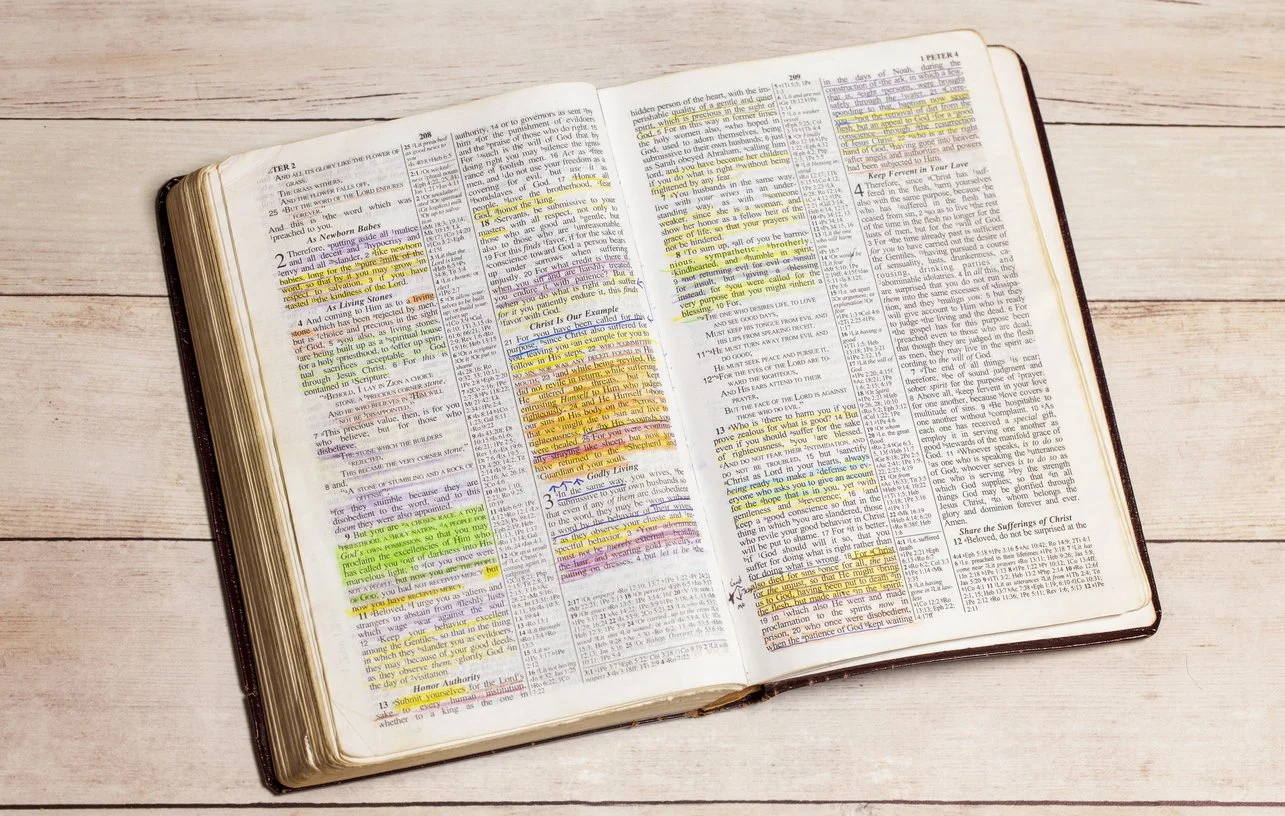
Bible Verses for Marriage Restoration
Bible verses for marriage restoration are passages about hope, forgiveness, and perseverance that help a hurting spouse pray honestly and keep going when a marriage feels beyond repair. The 15 here are grouped to help you find what you need in this moment.

Do Online Marriage Retreats Actually Work?
Online marriage retreats work for most couples who actually do the work, and the research supports that. An online marriage retreat is a structured program a couple completes from home, working through the same guided sessions and exercises that an in-person weekend covers. Our own online workshop produces the same results as our in-person weekend, with 98% of couples reporting significant progress either way.

How to Rebuild Trust After Betrayal: A Step-by-Step Guide
Rebuilding trust after betrayal is the process of restoring your spouse’s sense of safety through consistent, verifiable action repeated over time. An apology opens the door. Evidence walks through it. Most couples need months before trust feels steady again, and a full rebuild often takes two to five years. Trust does come back, and the path is better mapped than you’d think.

Can a Marriage Survive an Affair? What the Research Actually Shows
Can a marriage survive infidelity? Most do, and research shows 74% recover with help. Here's what predicts healing and how to rebuild trust.

Is Your Marriage Falling Apart? 5 Things to Do First
Is your marriage falling apart? Learn the warning signs and the first honest steps to take, from a coach who has guided more than 1,000 couples.

Couples Therapy Retreat vs. Weekly Counseling
Weekly counseling or a couples therapy retreat? For most couples, a weekend intensive works faster and costs far less than months of sessions.

Christian Marriage Retreats
You love God but marriage is still hard. Learn why faith is the foundation, the skills you still need, and what a good Christian marriage retreat offers.

Roommate Syndrome in Marriage
Feel more like roommates than partners? The signs of roommate syndrome, why marriages drift there, and three things you can do tonight to reconnect.

What Happens at a Marriage Intensive Weekend? An Inside Look
You tried booking vacations to fix your marriage.
You already know it isn't working. You come home rested, and a week later you are right back in the same loop. The scenery changed. The pattern didn't.
A marriage intensive flips that. Three days, real tools, and the one conversation you have been driving around for years.
Here is what those three days actually look like.

Forgiveness in Marriage: How to Let Go When Everything in You Says Don’t
Forgiving is hard because it feels like letting them off the hook.
So you don’t. You hold the line. You keep the offense close, because letting go feels like saying it didn’t matter, and it definitely mattered.
If you’re reading this with your jaw tight, you’re in the right place. Let’s talk about what forgiveness actually is, and why your own brain is fighting you on it.

Can a Narcissist Change?
You think you married a narcissist.
So let me ask the uncomfortable question. Is your spouse actually a narcissist, or are they just plain selfish?
How can you tell the difference? And what do you do about it?

“I Hate My Wife”: What That Feeling Actually Means (and What to Do Next)
You typed three words you can’t say out loud.
Maybe it’s 11 p.m. and you’re sitting in your truck because you don’t want to walk in yet. Maybe it’s a commercial break and you’re hiding in the bathroom with your phone. Wherever you are, you typed three words into Google that you’d never say to your buddies, and you ended up here.
I’m glad you did.

“I Hate My Husband”: What That Feeling Actually Means (and What to Do Next)
You typed those three words. That took guts.
Maybe it’s 1 a.m. and he’s asleep in the next room. Maybe you’re sitting in your car in the driveway because you’re not ready to walk inside yet. Wherever you are, you Googled something you probably wouldn’t say out loud to anyone, and you ended up here.
I’m glad you did.

Marriage Intensive vs. Weekly Counseling: Which One Actually Works Better?
Your marriage needs more than one hour a week.
You already suspect this. You’ve been sitting in a counselor’s office for weeks, maybe months, and every session feels like restarting a movie from the beginning.
The format might be the problem. You and your therapist could both be doing your jobs well and still getting nowhere, because 50 minutes once a week was never designed for a marriage in freefall.

Emotional Needs in Marriage
Your spouse only has 3 needs that matter. You probably can't name any of them.
Three specific emotional needs that, when met, make your spouse feel genuinely loved. And when unmet, explain almost every recurring fight you've ever had.
After working with over 600 couples, I've found that the vast majority of relational hurts trace directly back to one or more unmet emotional needs.
The affair wasn't primarily about sex. It was about feeling important. The blowup about the dishes wasn't about housework. It was about feeling unsupported.
Your spouse has three needs that matter more than all the rest. Here's how to figure out which three.

Why You Keep Having the Same Fight Over and Over
69% of your marriage problems will never be solved. That's the good news.
Stay with me.
Research shows that most marital conflicts are rooted in personality differences that don't go away. She's a planner, he's spontaneous. He recharges alone, she recharges through conversation.
The couples who make it aren't the ones who eliminated their differences. They're the ones who learned to talk about them without leaving casualties.
The fight you keep having isn't about what you think it's about. Here's what's actually underneath it.

How to Communicate Better as a Couple: The SHARE Model
"Communicate better" is the worst marriage advice ever given.
Everyone says it. Every counselor. Every book. Every well-meaning friend who's never had to explain why the dishwasher feels personal.
The problem isn't that you're not communicating. You're communicating constantly. With your tone, your silence, your eye-rolls, and that exhale that somehow contains an entire paragraph of contempt.
You don't need to talk more. You need a completely different way to talk.
After working with hundreds of couples, my wife and I built a 5-step framework called the SHARE Model. Here's how it works…